
The Upstate Guide to Building Your Own Home
From lot to move-in day: land, builders, permits, timelines, and how paying for a build works.
Before You Break Ground: 5 Questions to Answer First
Do you own land, or do you still need to find a lot? This shapes almost every other decision.
Do you have a builder in mind? Good builders in the Upstate book out months ahead.
What's your all-in budget? Include land work, permits, utilities, and a cushion, not just the build price.
What's your timeline? Be honest about how much flexibility you have if the schedule slips.
Where will you live during the build? If you're selling your current home, timing matters (see Section 6).

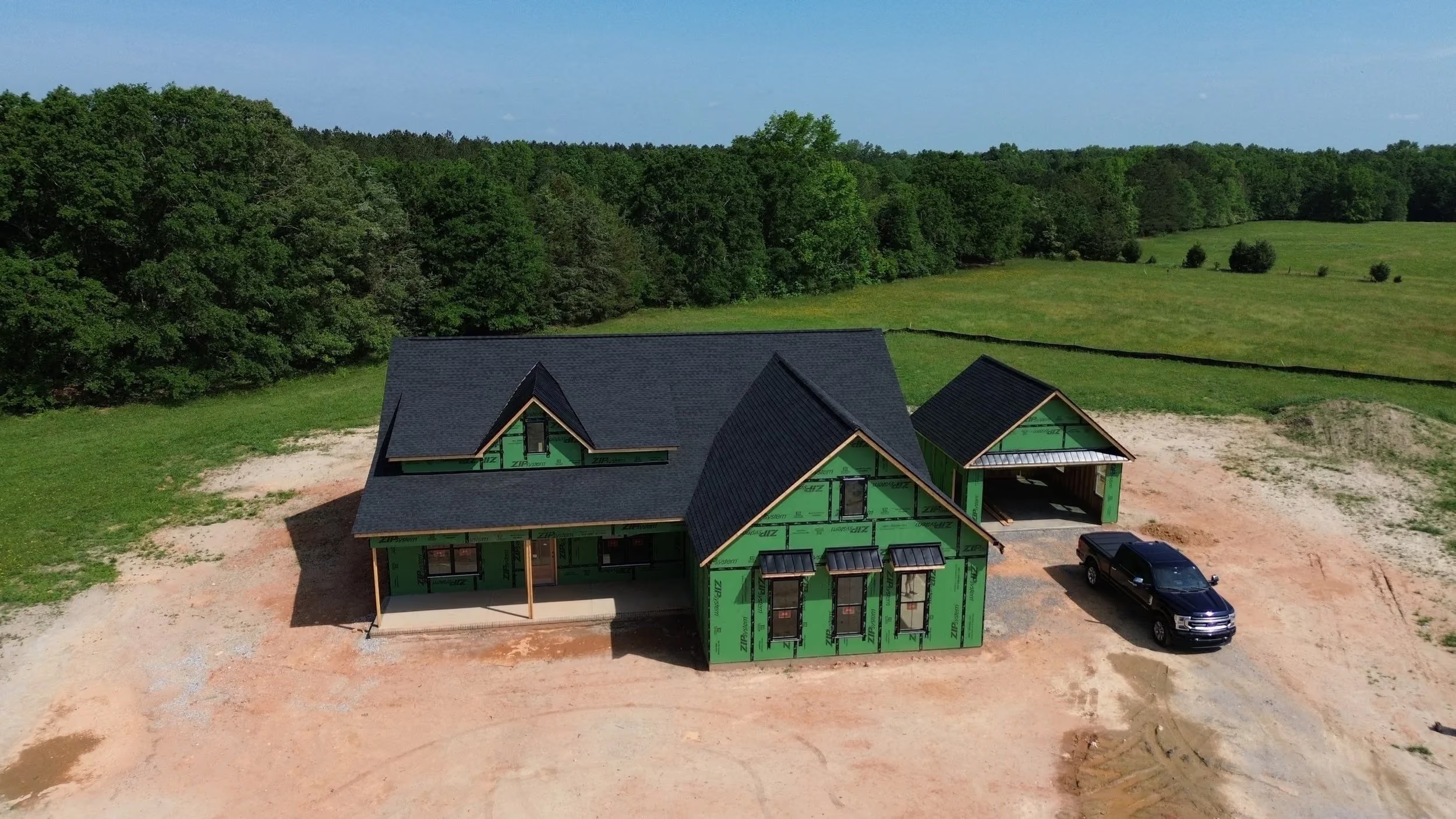
Land: Owning It, Buying It, and Evaluating It
If you already own land, that's a head start. Confirm it's actually buildable before you sign anything else. If you're still looking, walk the lot with your builder before you commit.
Lot evaluation checklist:
Road access and driveway requirements
Water and sewer availability, or well and septic feasibility
Soil and percolation test results (essential for septic)
Slope, drainage, and clearing needs
Zoning, setbacks, HOA or deed restrictions
Flood zone status
Electric and internet distance from the road
Choosing a Builder and Plans
Three common paths:
- Custom build: unique plans, on your land, the most flexibility
- Semi-custom: a builder's plan with your choices on finishes and layout
- Subdivision build: a set plan in an established neighborhood, with the most predictable timeline
Questions to ask any builder:
- How many homes did you complete last year, and how long did each take?
- Is the contract fixed-price or cost-plus?
- What's included in the allowances, and what usually goes over?
- How do change orders work, and how are they priced?

Permits and the Build Timeline
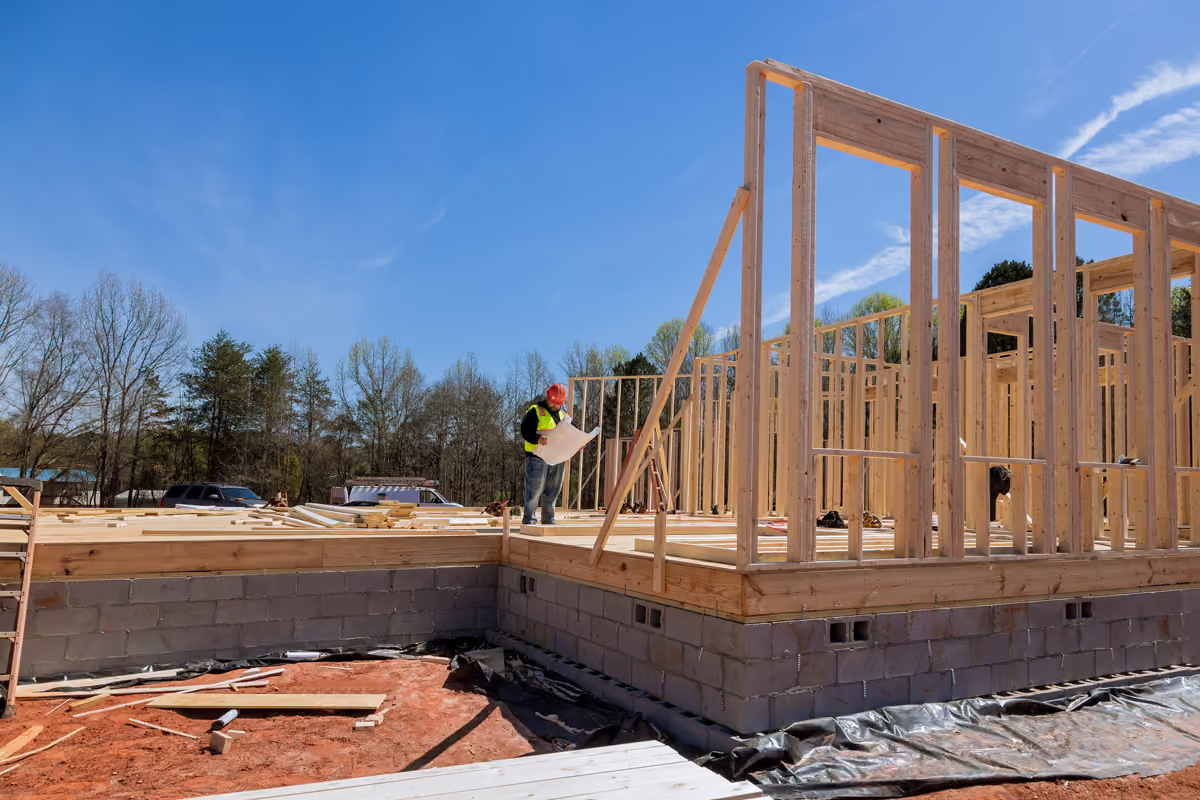
Every build follows the same basic path, though timing depends on your lot, your builder, and your local permit office. Ask your builder how long permits are taking right now, since that changes.
Plans and permits. Finalize your plans and get permit approval before any work starts.
Site prep and foundation. Clear the lot, bring in utilities, and pour the foundation.
Framing and systems. Build the structure, then add electrical, plumbing, and HVAC.
Interior and final inspection. Finish the inside, walk the home with your builder, and pass final inspection.
Many builds take about 9 to 12 months. Rural lots and larger custom homes often take longer, so plan for the longer end.
Building Before You Sell
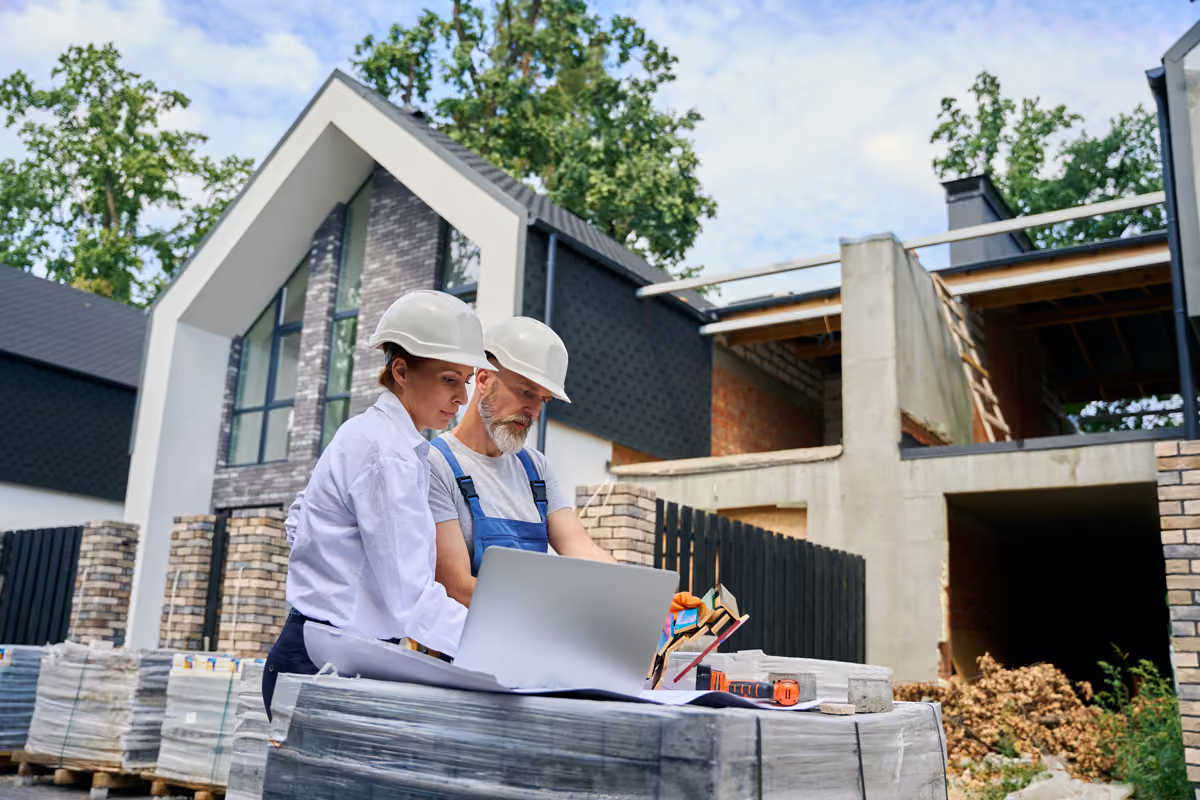
Many buyers want to build while still living in their current home. Things to plan for:
Timing: when you list vs. when the new home will be ready
Overlap: could you carry two homes for a few months, and could you handle that comfortably?
Backup housing: a short-term rental or flexible move-out date if the build finishes before the sale
Sale proceeds: how they'll be used once your current home closes
Talk through this with a licensed lender, your builder, and your agent before you break ground.
Budget Planning Checklist
Land purchase and closing costs (if buying)
Site work: clearing, grading, driveway, utilities, well/septic
Permits and impact fees
Build cost per your builder's contract
Contingency: many people set aside about 10% for surprises
Landscaping, fencing, and outdoor spaces
Window treatments, appliances not included, and furniture
Moving and temporary housing costs
Quick Answers
Roughly 9 to 12 months for many builds. Rural sites and larger custom homes often take longer.
Yes. Owning a buildable lot is common. Confirm access, utilities, and well/septic feasibility first.
That depends on your contract. Ask about change orders before you sign.
Yes. Weather, permitting, and supply issues affect nearly every build. A schedule cushion protects your budget and your sanity.
A licensed lender, your builder, and a local real estate professional. Compare more than one opinion.